
Noticias

-

Explorando la realidad de las personas refugiadas
Según las estadísticas del Servicio Nacional de Migración (SNM), hasta mediados de junio de 2023 más de 175.000 personas migrantes han ingresado a Panamá a través del Tapón del Darién, una cifra histórica. Lo más preocupante es el creciente número de niños y niñas que se encuentran expuestos a los peligros de esta implacable ruta…
-
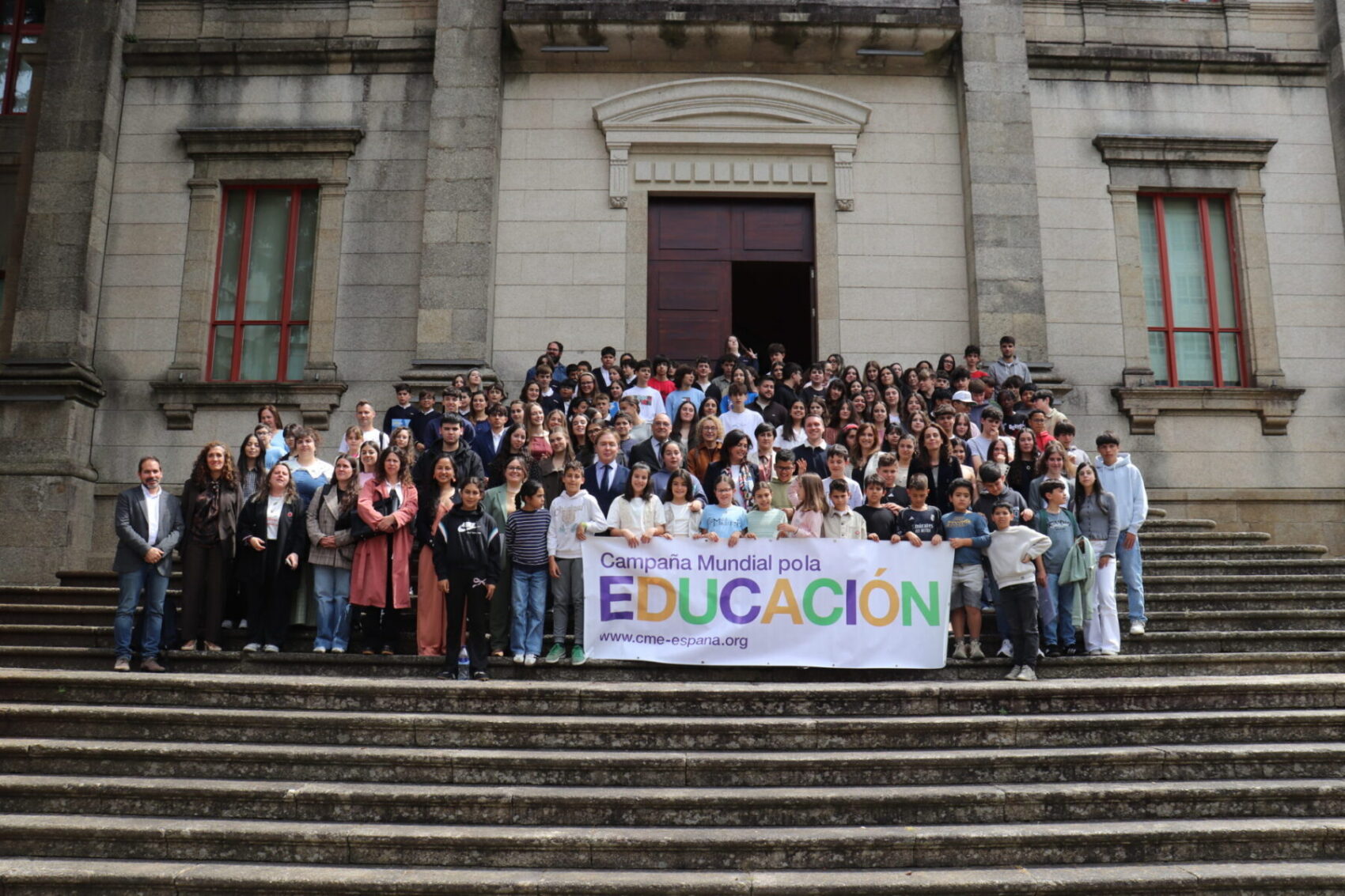
Miles de niñas, niños, adolescentes, jóvenes y docentes de toda España se han movilizado durante la Semana de Acción Mundial por la Educación (SAME) para reclamar una educación digital accesible, inclusiva y capaz de garantizar la continuidad del aprendizaje cuando las crisis interrumpen la vida cotidiana. Bajo el lema «Acción por la Educación: que la emergencia no desconecte el derecho a aprender», la campaña impulsada por la Campaña Mundial por la Educación (CME), de la…
-
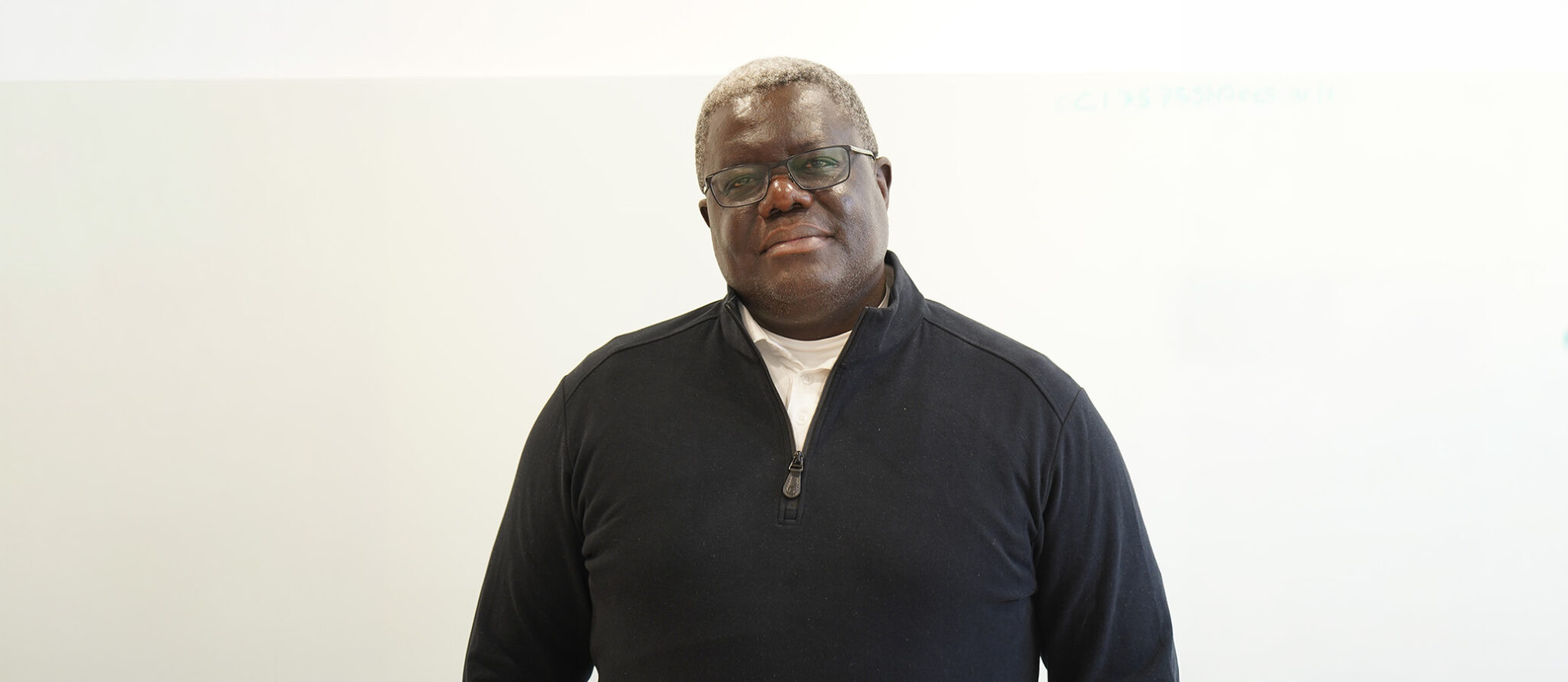
Durante años, gran parte de la imagen proyectada sobre África ha estado marcada por relatos centrados únicamente en el conflicto, la pobreza o las crisis humanitarias. Sin embargo, el continente africano es también un territorio profundamente diverso, atravesado por cientos de culturas, lenguas y realidades distintas, además de una juventud que hoy representa una de sus mayores fortalezas y oportunidades de futuro. Recientemente conversamos con José Minaku, presidente de la Jesuit Conference of Africa and…
-
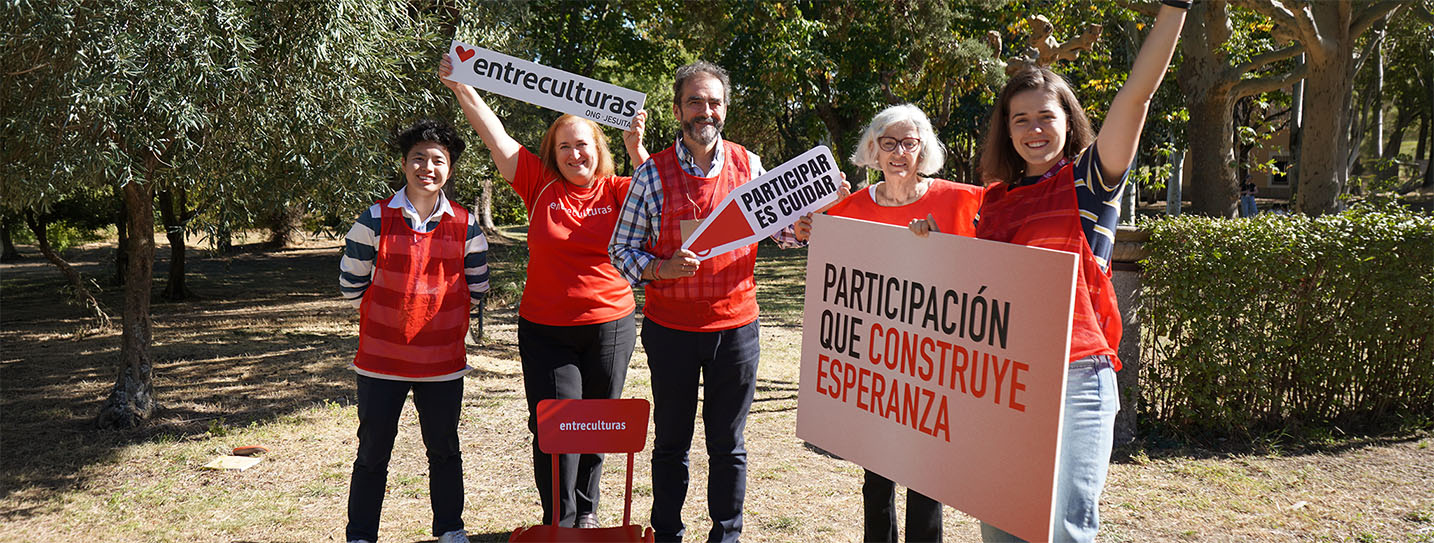
En un contexto atravesado por el aumento de las desigualdades, las crisis humanitarias, la emergencia climática y los discursos excluyentes, el voluntariado sigue siendo una herramienta clave para fortalecer la participación ciudadana y construir sociedades más justas, inclusivas y sostenibles. En este marco, desde Entreculturas reforzamos nuestra apuesta por la acción voluntaria coincidiendo con la proclamación de 2026 como Año Internacional de las Personas Voluntarias para el Desarrollo Sostenible (IVY 2026), impulsado por Naciones Unidas…
-
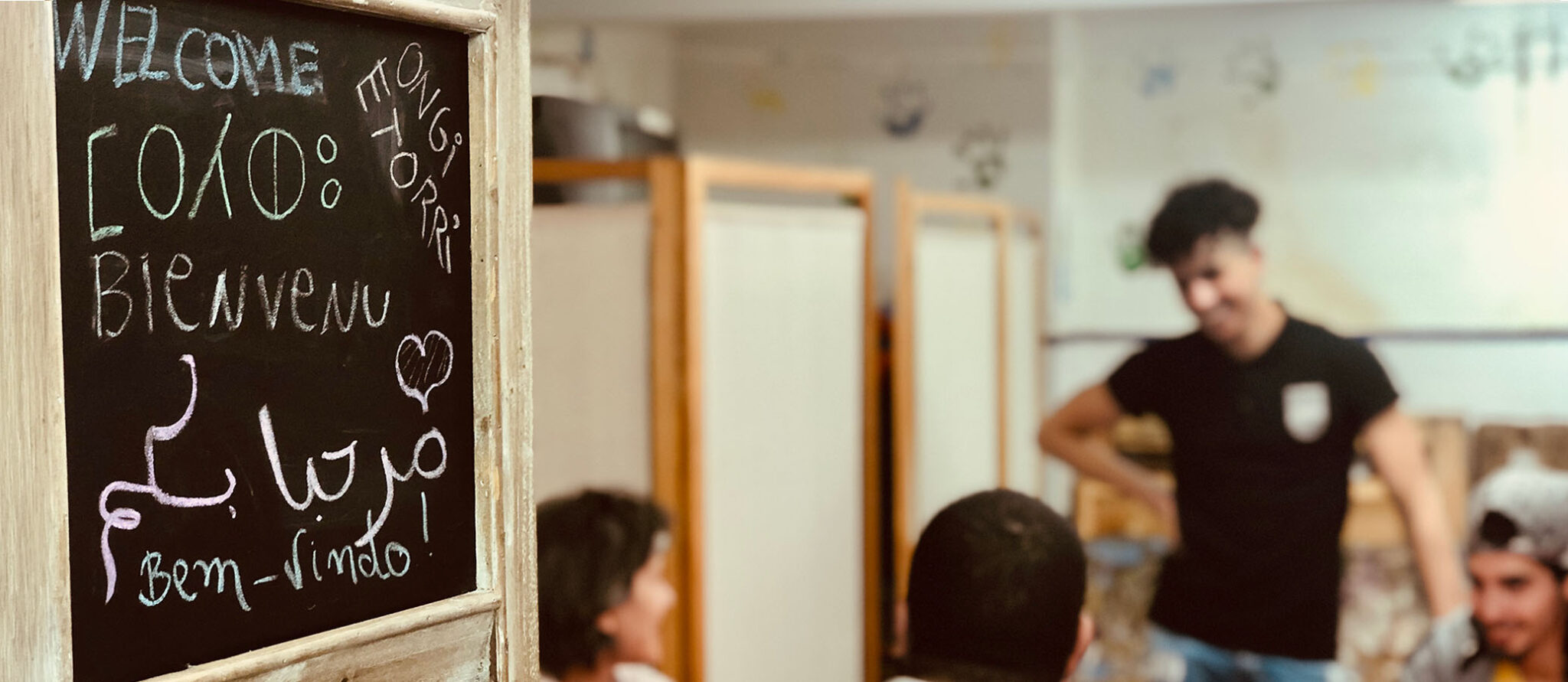
Como parte del Sector Social de la Compañía de Jesús y a través de la campaña Hospitalidad.es, en Entreculturas impulsamos la iniciativa «REGULARIZACIÓN: SOMOS ACOGIDA». Ante el proceso de regularización extraordinaria en España, unimos fuerzas para que este hito administrativo garantice el acceso efectivo a derechos para 500.000 personas que ya construyen sociedad junto a nosotros y nosotras. Nuestro horizonte: Abrir caminos de hospitalidad y justicia Desde Entreculturas, como obra del Sector Social de la…
-
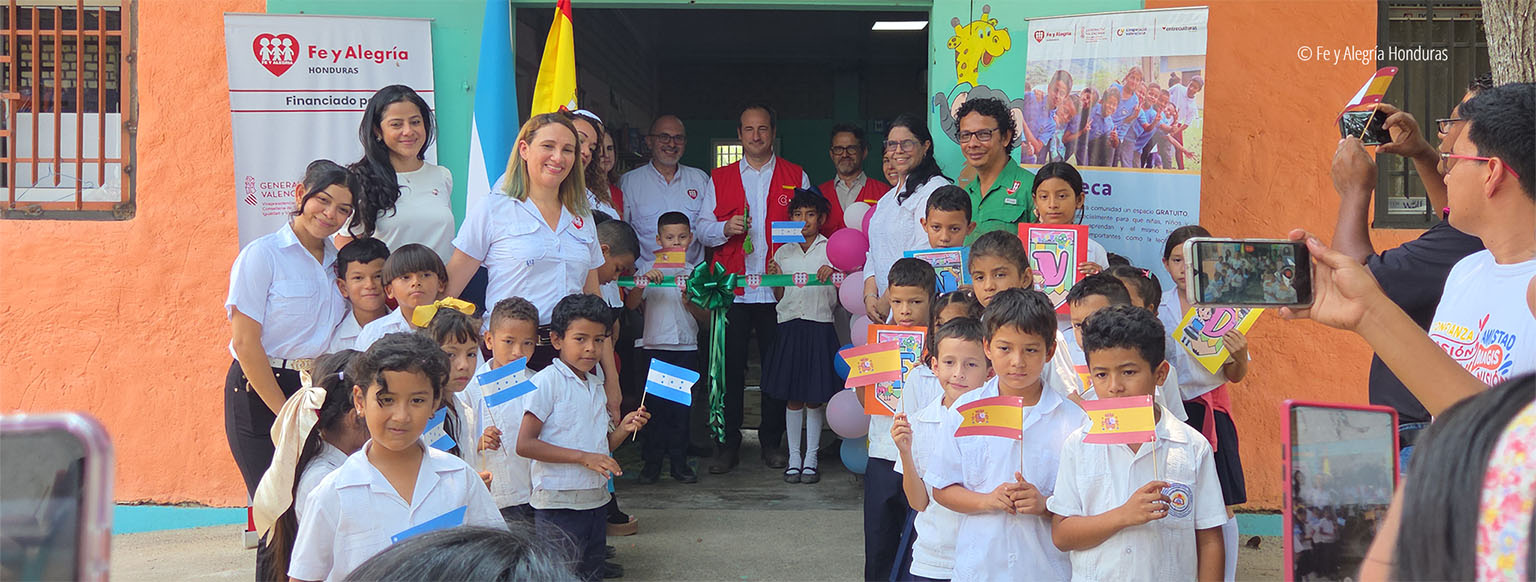
El Embajador de España en Honduras, Guillermo Escribano, visitó los centros educativos Loyola y Fernando Bandeira de Fe y Alegría Honduras en El Progreso, Yoro, donde impulsamos proyectos orientados a fortalecer espacios seguros de aprendizaje para niñas, niños y adolescentes en contextos de vulnerabilidad. La visita permitió conocer de primera mano los avances del proyecto “Creación de espacios seguros para el desarrollo de aprendizajes en niños, niñas y adolescentes de entornos urbano-marginales en Honduras”, impulsado…
-
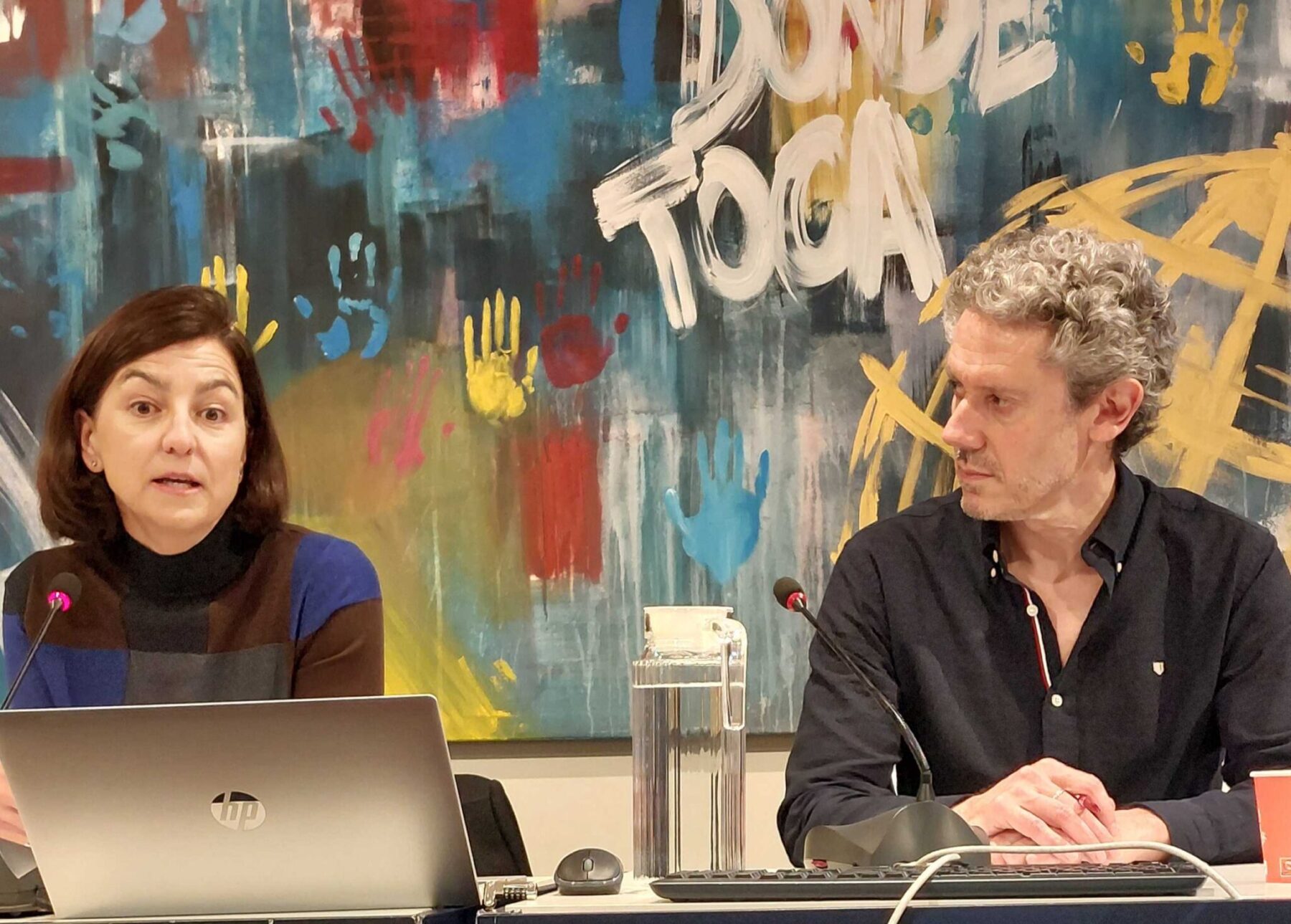
El pasado jueves 29 de abril, la Coordinadora de ONG de desarrollo de España formada por más de 600 organizaciones que trabajan en 100 países en la defensa de derechos humanos, la igualdad de género y la protección del planeta, eligió a nuestro compañero Nacho Esteve, como nuevo presidente en el marco de su Asamblea General. En un contexto global marcado por crisis múltiples —humanitarias, sociales y medioambientales, donde la Ayuda Oficial al Desarrollo mundial…
-
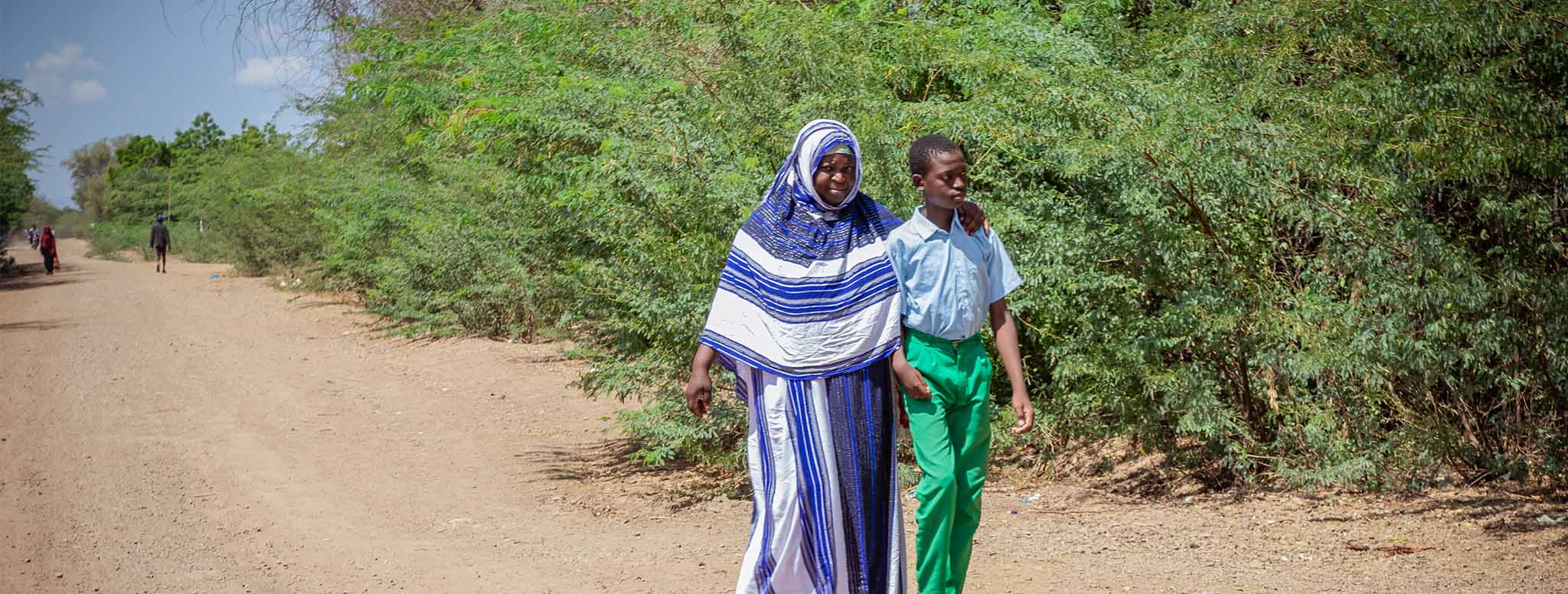
“La educación abre la mente de nuestros hijos e hijas. Les da esperanza. Algún día podrán salir adelante y sacarnos del campo de personas refugiadas.” Fatuma Mberwa es madre de un estudiante de la escuela secundaria Greenlight, en el campo de Kakuma, en Kenia. Como muchas familias del campo, su principal preocupación era sencilla: asegurarse de que su hijo pudiera seguir en la escuela a pesar de las dificultades del día a día. Pero, con…
-
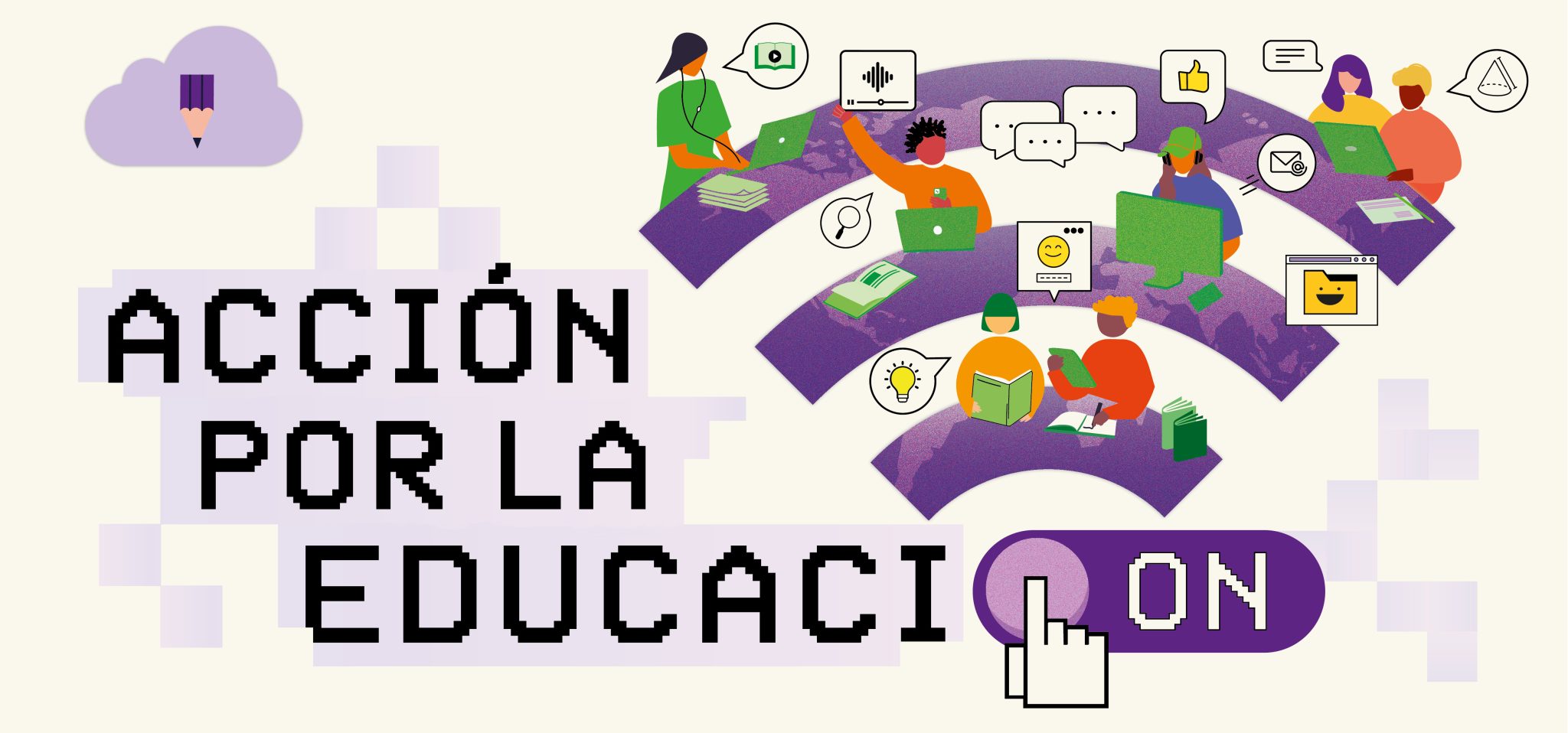
La educación atraviesa una situación crítica en múltiples territorios del mundo. Conflictos armados, crisis climáticas, desplazamientos forzosos y desigualdades económicas están interrumpiendo el acceso al aprendizaje de millones de niños, niñas y jóvenes. Según la Campaña Mundial por la Educación (CME), al menos 234 millones de estudiantes necesitan apoyo urgente para continuar su educación en contextos de emergencia. Del 27 de abril al 3 de mayo se celebra una nueva edición de la Semana de…
-
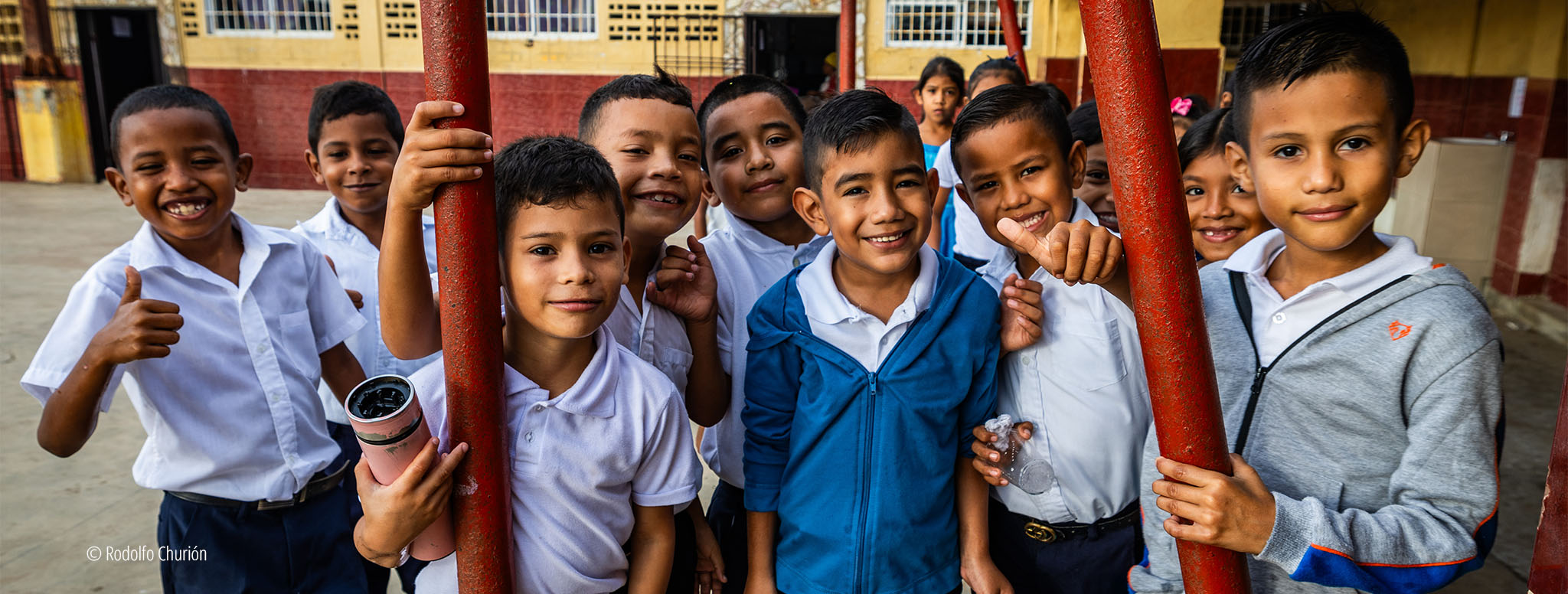
Los derechos de la infancia son la base para que niños y niñas puedan desarrollarse en condiciones de igualdad, seguridad y bienestar. Sin embargo, en muchos contextos, estos derechos no están plenamente garantizados, lo que limita sus oportunidades y afecta tanto a su presente como a su futuro. Hablar de derechos de la infancia no es solo reconocer necesidades, sino afirmar que niños y niñas son titulares de derechos que deben ser respetados, protegidos y…
-
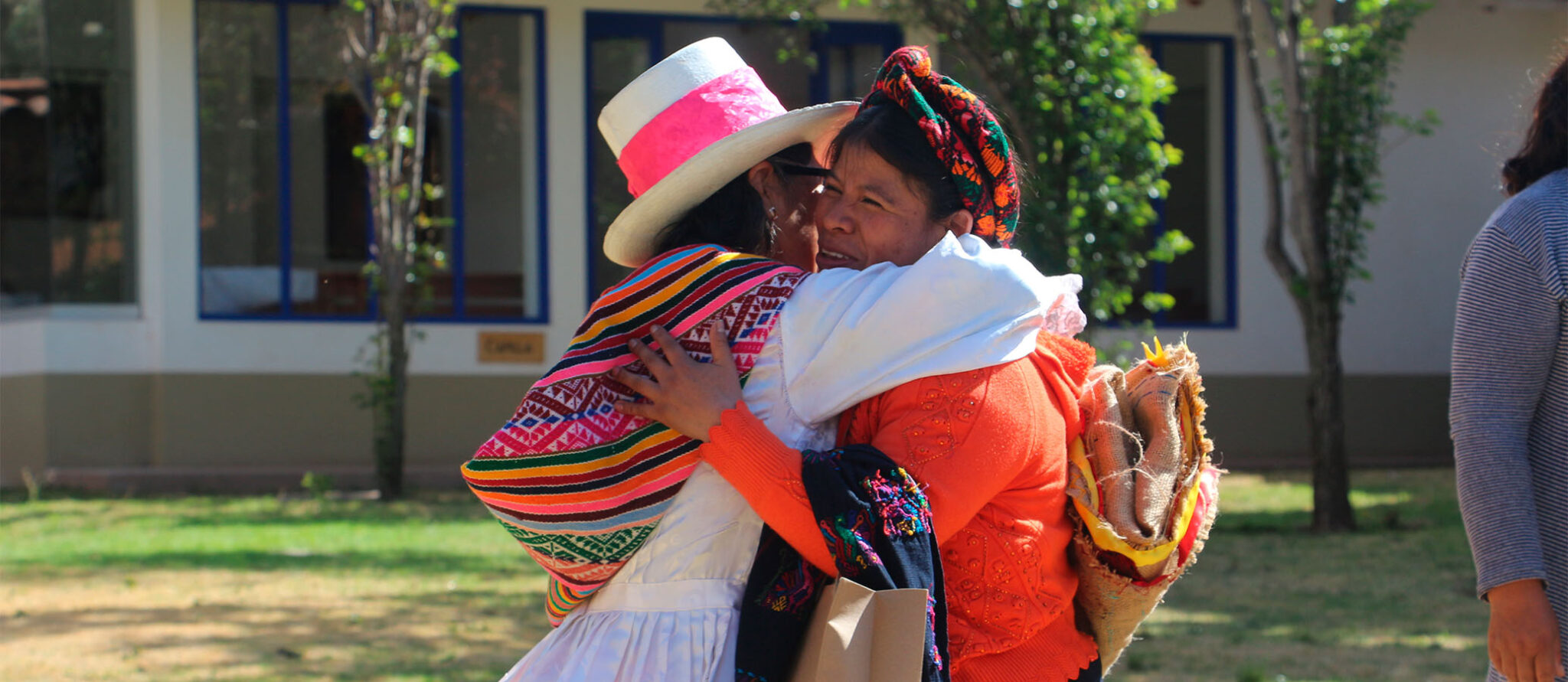
Alboan y Entreculturas forman parte de la delegación de la Red Eclesial Panamazónica (REPAM) que, esta semana, participa en el Foro Permanente de Naciones Unidas sobre Cuestiones Indígenas, acompañando a representantes de pueblos indígenas de la Amazonía en una intensa agenda de incidencia internacional. La ciudad de Nueva York acoge, del 20 de abril al 1 de mayo, el 25º periodo de sesiones de este foro, un espacio clave en el que pueblos indígenas de…
-
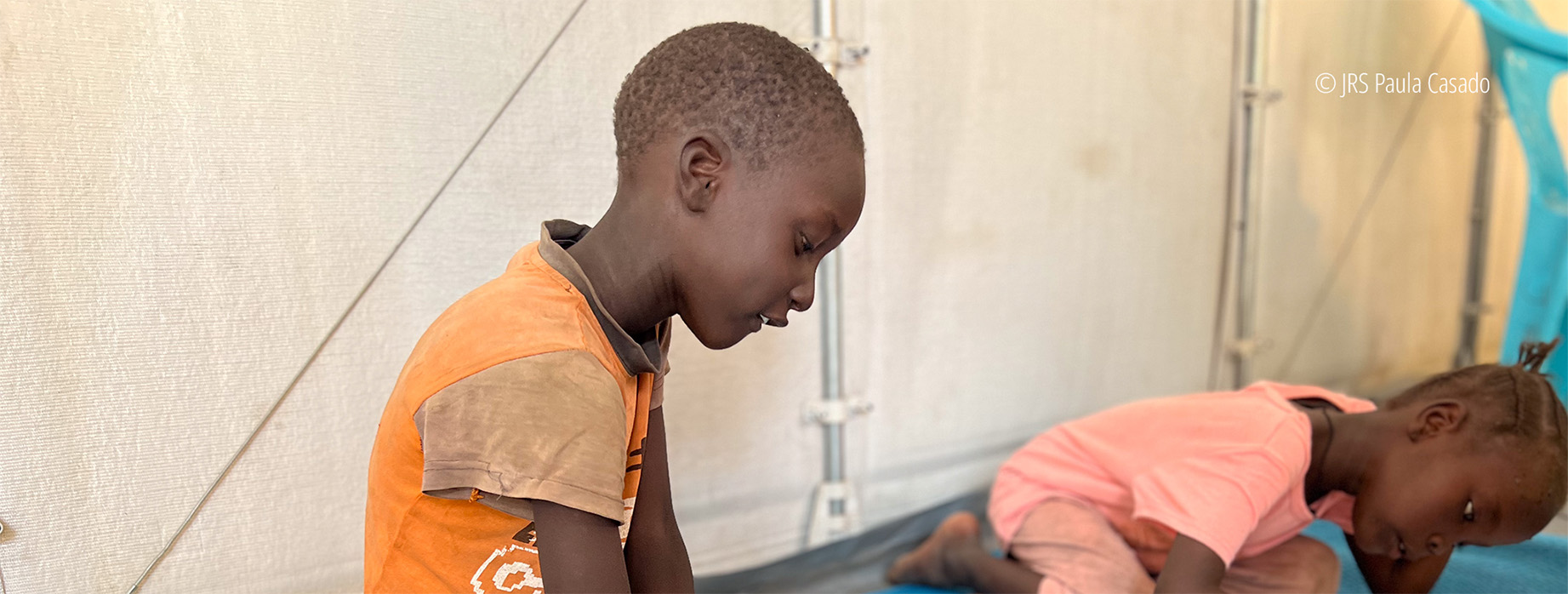
En Entreculturas ante el acuerdo de Gobierno alcanzado en Extremadura entre PP y VOX manifestamos nuestro rechazo frontal a un pacto de gobernabilidad que bajo el pretexto de la estabilidad, asume postulados que vulneran los Derechos Humanos y rompen décadas de consenso social en la región. La cooperación internacional y la ayuda humanitaria sirven para salvar y proteger la vida, garantizar los derechos y oportunidades de aquellas personas que viven en situaciones de extrema pobreza…
-
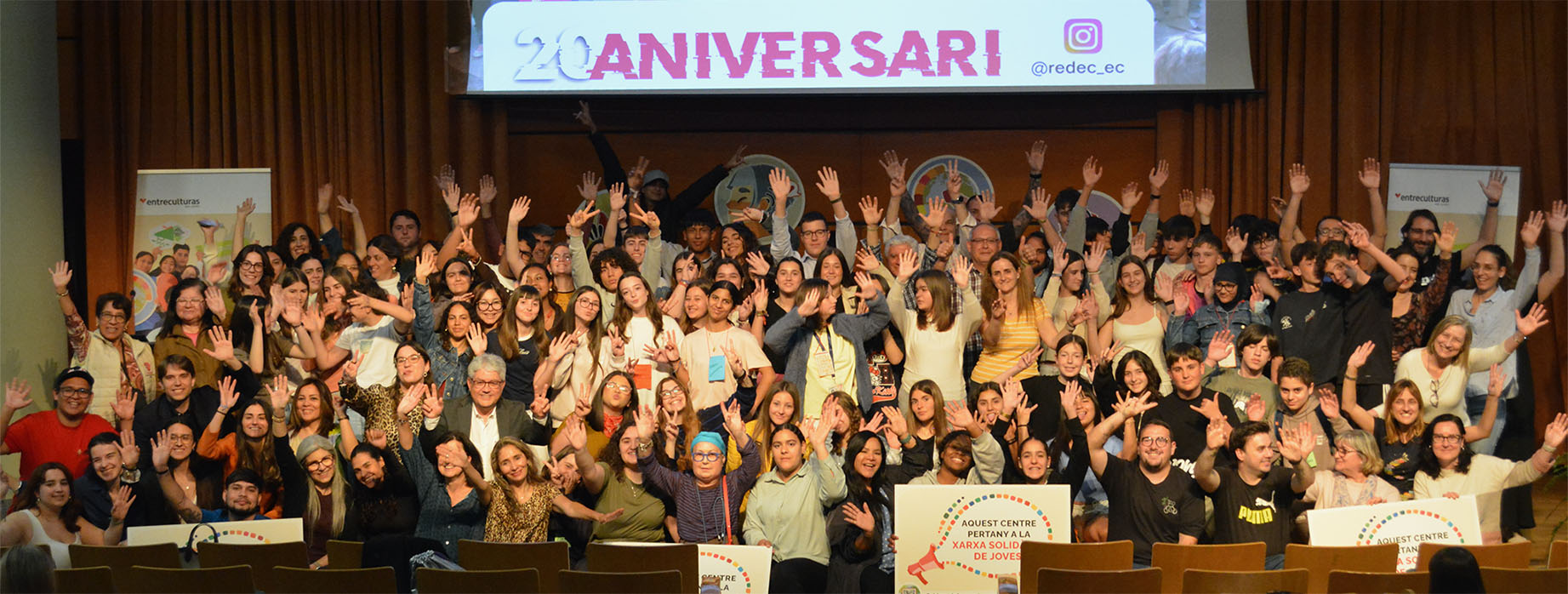
En Entreculturas celebramos en el Jardín Botánico de Valencia el 20º aniversario de la Xarxa Solidària de Joves en la Comunidad Valenciana, una iniciativa que desde 2006 impulsa la participación de jóvenes en centros educativos y comunidades, promoviendo el pensamiento crítico y la implicación activa en la construcción de sociedades más justas. El encuentro reunió a jóvenes, docentes y representantes institucionales en un espacio de diálogo intergeneracional que permitió poner en valor el recorrido de…
